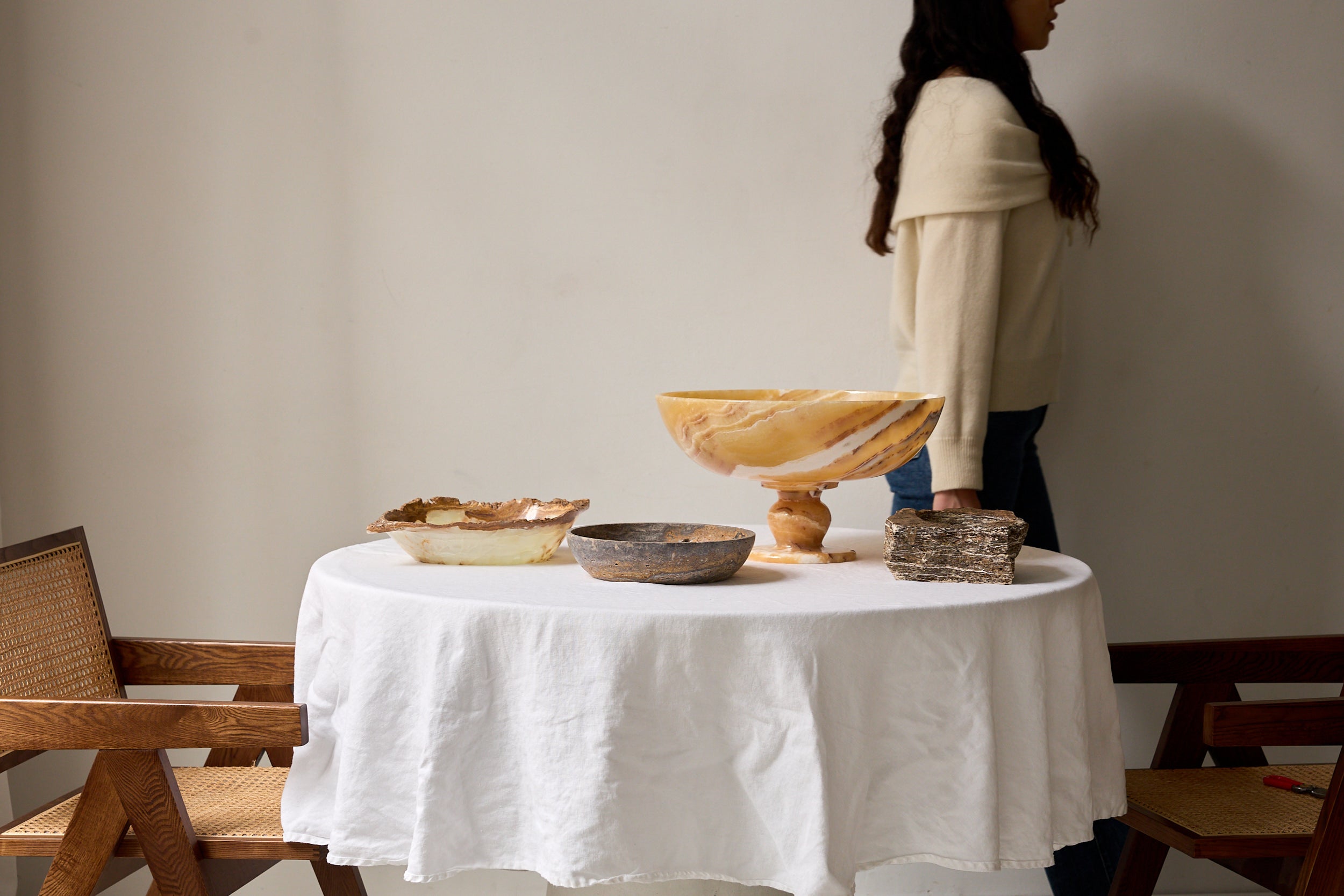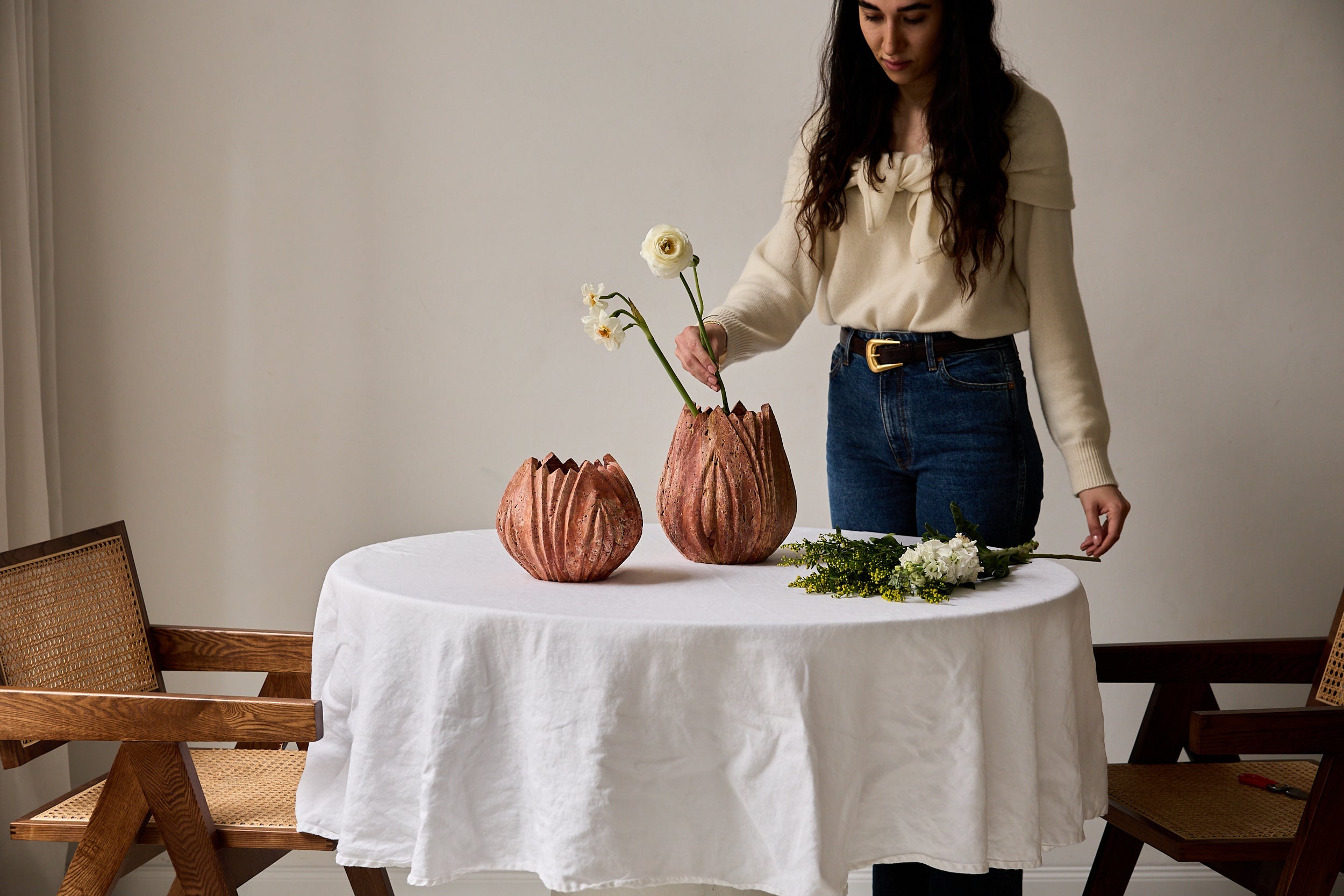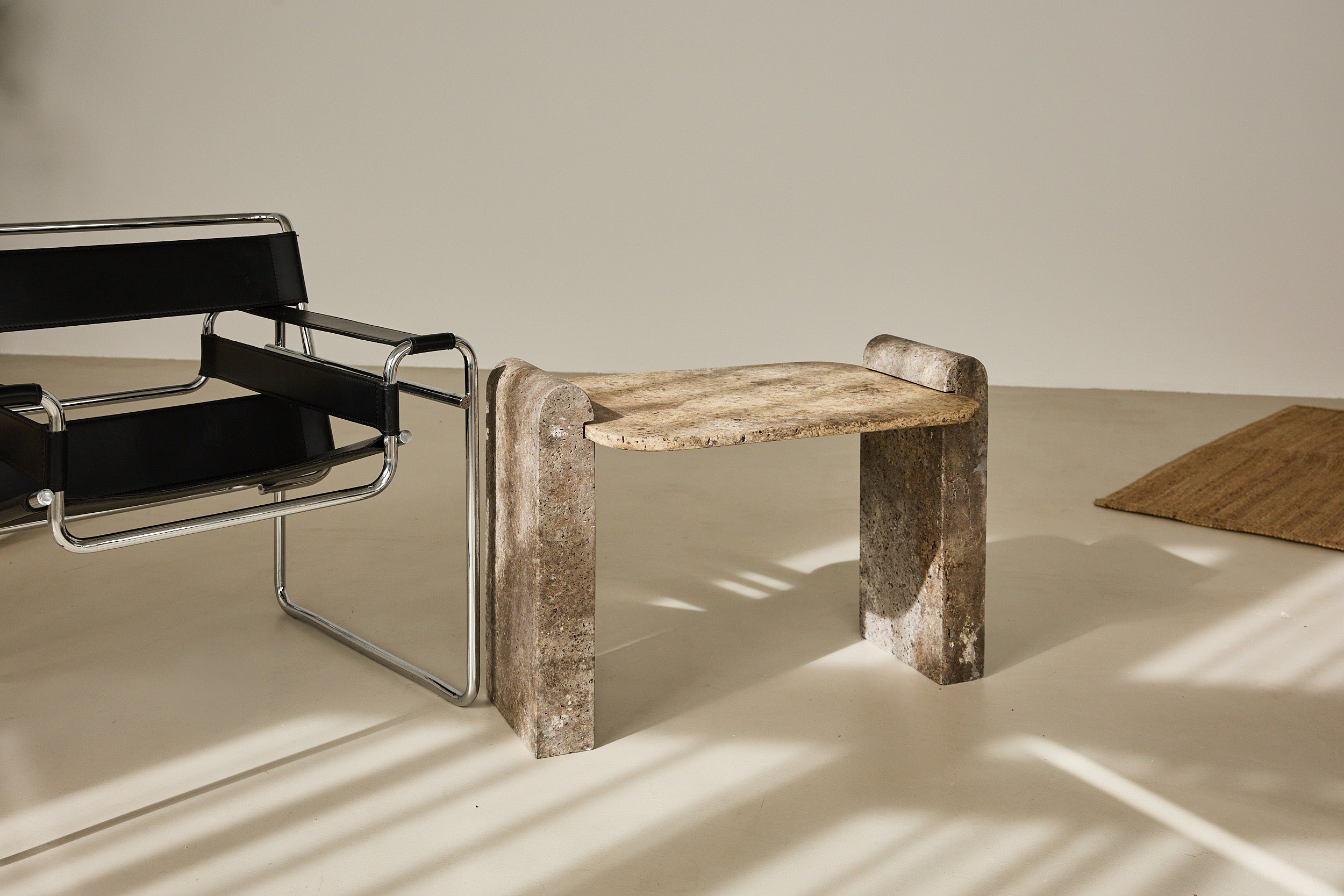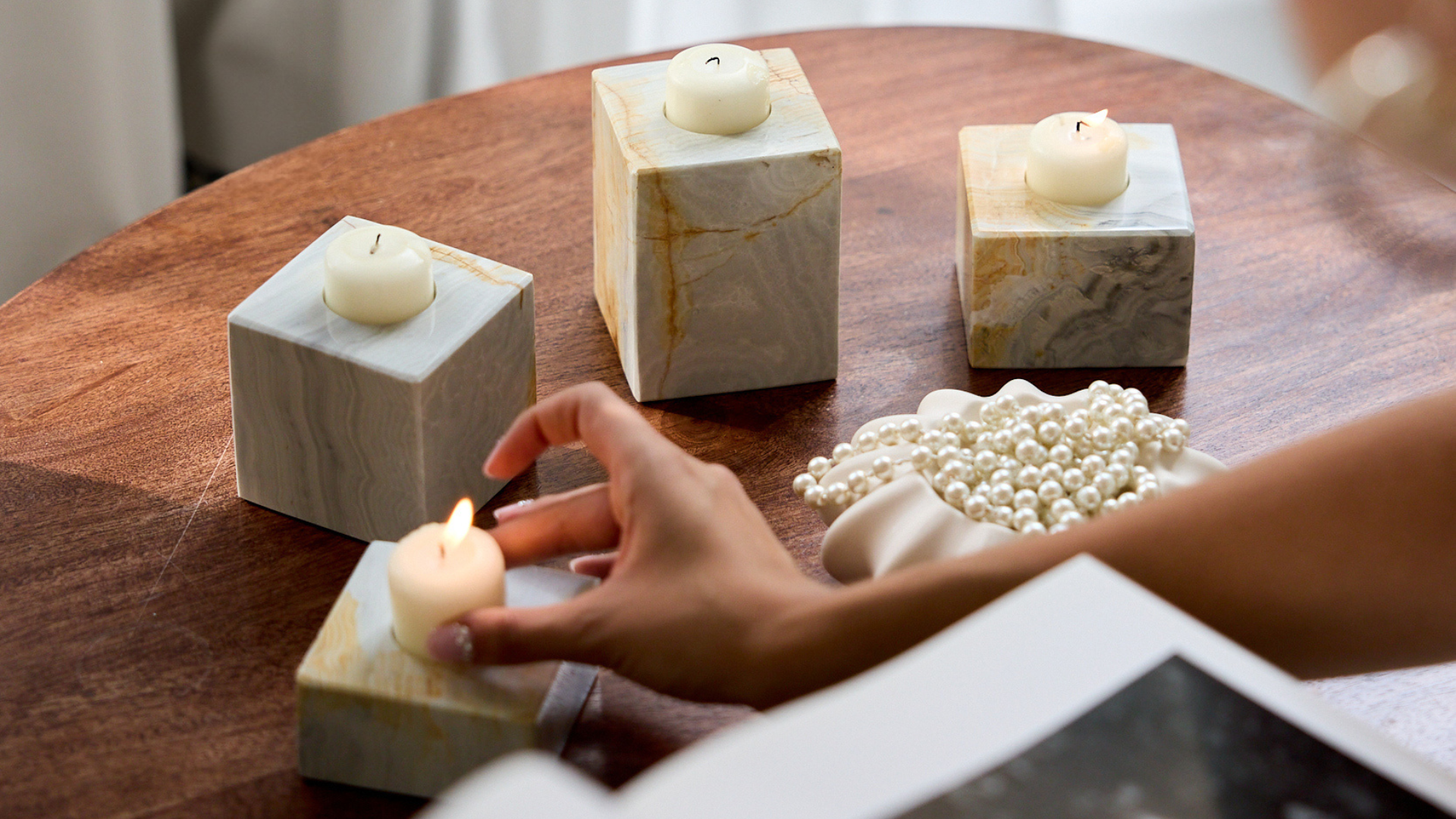


Dieser Unterschied zeigt sich nicht nur im Aussehen. Es geht auch darum, wie sich ein Stück anfühlt, wie es altert und welche Geschichte es in sich trägt. Naturstein wird über lange Zeiträume durch geologische Prozesse geformt, das heißt, jede Ader, jeder Farbverlauf und jede Oberflächenvariation ist Teil von etwas Echtem. Genau das verleiht ihm Charakter.
Bei Uniiqo Studio ist das einer der Gründe, warum uns Naturstein so fasziniert. Jedes Stück trägt seine eigene Identität – das macht es zu mehr als nur Dekoration. In diesem Guide zeigen wir dir die wichtigsten Vorteile von Naturstein-Deko, warum keine zwei Stücke exakt gleich sind und wie du die natürlichen Unregelmäßigkeiten schätzen lernst, die Stein so besonders machen. Das knüpft an die Eigenschaften an, die bereits im Mittelpunkt von Naturstein-Deko stehen: Einzigartigkeit, Zeitlosigkeit, Textur und Langlebigkeit.
Naturstein ist einzigartig, weil er von der Natur geformt wird und nicht auf Gleichförmigkeit hin gefertigt ist. Anders als massenproduzierte Deko, die auf Konsistenz und Wiederholung ausgelegt ist, trägt Stein die Spuren seiner Entstehung über Tausende oder sogar Millionen von Jahren.

Marmor ist bekannt für seine fließenden Adern, die entstehen, wenn sich Mineralien über lange Zeit durch den Stein bewegen. Diese Linien können sanft und dezent oder kräftig und dramatisch sein, was jedem Stück eine natürlich ausdrucksstarke Wirkung verleiht.

Travertin hat oft kleine Poren und Hohlräume, die durch Mineralablagerungen und natürliche Wasserbewegungen entstehen. Diese Details verleihen dem Stein seinen warmen, strukturierten Charakter und lassen ihn geerdet, organisch und angenehm anzufassen wirken.

Onyx kann wunderschöne Farbverläufe zeigen, von sanften, transluzenten Schichten bis hin zu tieferen Farbbändern. Diese natürliche Variation verleiht jedem Stück eine leuchtende Qualität, die sich je nach Licht und Platzierung verändert.
Das sind keine nachträglich hinzugefügten dekorativen Effekte. Sie sind Teil des Materials selbst. Das bedeutet: Eine Steinschale, ein Tablett oder eine Skulptur ahmt die Natur nicht nur nach. Sie ist Natur, geformt zu einem Objekt für dein Zuhause.
Das ist einer der klarsten Vorteile von Naturstein-Deko. Selbst bei einer einfachen Form bringt das Material bereits visuellen Reichtum mit. Es braucht kein übermäßiges Muster oder zusätzliche Verzierung, um besonders zu wirken.
Massenproduzierte Deko zielt oft durch Gleichförmigkeit auf Perfektion ab. Naturstein bietet dir etwas Persönlicheres: Variation, Tiefe und Authentizität. Keine zwei Naturstein-Stücke sind exakt gleich, und genau diese Individualität ist ein zentraler Teil ihres Werts.
In fast allen Fällen ja – keine zwei Steinstücke sind exakt gleich.
Selbst wenn zwei Objekte aus derselben Marmor- oder Travertinart geschnitten werden, unterscheiden sich ihre Maserung, ihr Farbton, ihre Zeichnung und ihr Oberflächencharakter. Das liegt daran, dass Naturstein kein flaches, standardisiertes Material ist. Er entsteht in Schichten, wird über Zeit verdichtet und von Mineralien, Hitze, Druck und Umweltbedingungen beeinflusst.
Genau das macht das Sammeln und Dekorieren mit Stein so lohnenswert. Du wählst nicht aus identischen Kopien. Du wählst ein bestimmtes Stück mit seinem eigenen Look und seiner eigenen Präsenz.
Für manche Menschen kann sich das zunächst ungewohnt anfühlen, besonders wenn sie es gewohnt sind, Deko zu kaufen, die exakt wie das Produktfoto aussieht. Aber diese Variation ist kein Nachteil. Sie ist Teil dessen, was Naturstein lebendig und unersetzlich wirken lässt.
Ein massenproduziertes Objekt kann endlos vervielfältigt werden. Ein Naturstein-Objekt nicht. Genau dieser Unterschied ist eines der stärksten Argumente dafür, Naturstein statt fabrikgefertigter Deko zu wählen.
Variationen in Naturstein entstehen dadurch, wie sich das Material in der Erde bildet. Stein entwickelt sich über lange Zeiträume unter wechselnden natürlichen Bedingungen, weshalb jeder Abschnitt des Materials anders aussehen kann.
Zu den wichtigsten Ursachen für Variation gehören:
Mineralzusammensetzung
Unterschiedliche Mineralien erzeugen unterschiedliche Farben, Maserungen und Zeichnungen. Eisen zum Beispiel kann warme Töne erzeugen, während andere Mineralablagerungen zu grauer, grüner, cremefarbener oder goldener Bewegung im Stein führen können.
Druck und Hitze
Während der Stein entsteht, beeinflussen geologischer Druck und Hitze seine Dichte, Struktur und Muster. Das ist besonders bei metamorphen Gesteinen wie Marmor sichtbar.
Schichtung und Sediment
Travertin und ähnliche Steine zeigen oft Schichtung, Poren und natürliche Hohlräume, weil sie sich über Zeit abgelagert haben. Diese Details gehören zur Herkunft des Steins und sind keine Mängel.
Zuschnitt des Blocks oder der Platte
Selbst innerhalb desselben Steinblocks kann ein Schnitt kräftige Maserung zeigen, während ein anderer eine sanftere Bewegung offenbart. Das bedeutet, dass jedes fertige Objekt das Material anders präsentieren kann.
Dieses Verständnis hilft dabei zu schätzen, warum Naturstein-Deko nicht perfekt einheitlich aussieht. Die Variation ist ein Beweis für Authentizität. In deinem bestehenden Naturstein-Guide werden diese sogenannten
Unvollkommenheiten als Zeichen von Echtheit statt als Fehler beschrieben – genau die richtige Sichtweise.
Das ist ein weiterer wichtiger Vorteil von Naturstein-Deko. Die Schönheit des Stücks liegt nicht nur auf der Oberfläche. Sie durchzieht das ganze Material.
Trotzdem können einige Faktoren beeinflussen, wie Stein im Laufe der Jahre aussieht:

Natürliche Unvollkommenheiten schätzen zu lernen ist Teil davon, Stein selbst schätzen zu lernen.
In der Massenproduktion bedeutet Perfektion meist Gleichförmigkeit. Bei natürlichen Materialien entsteht Schönheit oft gerade aus Variation. Eine kleine Pore im Travertin, eine kräftigere Ader im Marmor oder ein ungleichmäßiger Farbverlauf ist kein Fehler. Es ist Teil dessen, was das Stück echt macht.
Hier sind ein paar Perspektiven, um diese Unvollkommenheiten anders zu sehen:
Sieh sie als Charakter, nicht als Mängel: Natürliche Zeichnungen sind das, was Stein von Imitationsmaterialien unterscheidet. Sie geben jedem Objekt Individualität und Tiefe.
Konzentriere dich auf die Gesamtwirkung des Stücks: Ein Steinobjekt sollte als Ganzes betrachtet werden: seine Form, sein Gewicht, seine Textur und seine Bewegung. Eine natürliche Variation, die aus der Nähe ungewöhnlich wirkt, trägt im Gesamtbild oft zur Schönheit des Stücks bei.
Verstehe das Material: Je mehr du darüber weißt, wie Stein entsteht, desto leichter fällt es dir, die Details zu schätzen, die ihn einzigartig machen. Travertin-Löcher, Marmormaserung und Farbvariationen sind alle Teil der
Sprache des Materials.
Lass Fabrik-Erwartungen los: Naturstein verhält sich nicht wie Kunstharz, Keramik oder maschinell gefertigte Verbundstoffe. Er sollte nicht nach denselben Maßstäben beurteilt werden. Sein Wert liegt zum Teil darin, dass er sichtbar natürlich bleibt.
Bei Uniiqo Studio sehen wir diese sogenannten Unvollkommenheiten als die Merkmale, die ein Stück ehrlich und beständig wirken lassen. Sie sind Teil der Verbindung zwischen dem fertigen Objekt und der Natur, aus der es stammt.
Zusammengefasst hier fünf der klarsten Vorteile von Naturstein-Deko:
Keine zwei Stücke sind exakt gleich, was Steindeko persönlich und unverwechselbar wirken lässt.
Naturstein bietet Maserung, Textur und Farbvariation, die hergestellte Oberflächen oft nachzuahmen versuchen, aber selten erreichen.
Bei richtiger Pflege behält Naturstein seine Schönheit über die Zeit und kann über Jahre oder sogar Generationen Teil deines Zuhauses bleiben.
Stein wirkt geerdet, echt und mit der Natur verbunden – auf eine Weise, wie es massenproduzierte Deko oft nicht schafft.
Statt Variation zu verstecken, feiert Naturstein sie. Genau das verleiht jedem Stück seinen Charakter.
Naturstein-Deko ist einzigartig, weil sie von der Natur geformt wird und nicht auf Gleichförmigkeit hin gefertigt ist. Jedes Stück hat seine eigene Maserung, Textur, Farbe und Zeichnung, geformt durch geologische Prozesse über lange Zeit.
Variationen bei Naturstein entstehen durch Unterschiede in Mineralzusammensetzung, Druck, Hitze, Sediment und der Art, wie der Stein geschnitten wird. Diese Faktoren erzeugen einzigartige Muster und
natürliche Zeichnungen.
Naturstein-Farben sind in der Regel stabil, weil die Farbe Teil des Materials selbst ist und keine Oberflächenbeschichtung ist. Bei richtiger Pflege behält Stein seine Schönheit meist sehr gut über die Zeit.
Natürliche Unvollkommenheiten sollten als Teil des Charakters des Steins gesehen werden, nicht als Mängel. Maserung, Poren, Farbverläufe und kleine Unregelmäßigkeiten sind Zeichen von Authentizität und
Individualität.
Naturstein trägt Variation, Geschichte und Beständigkeit in sich. Er will nicht identisch, makellos oder leicht ersetzbar sein, und in einem Zuhause voller massenproduzierter Objekte spürt man diesen Untersch Stein
versucht nicht, perfekt zu sein. Genau darinliegt der Punkt.ied sofort. Stein bringt eine stille Präsenz mit,
die fabrikgefertigte Deko selten erreicht.
Wenn du dich für Naturstein entscheidest, entscheidest du dich für etwas, das durch geologische Zeit geformt und von Hand veredelt wurde. Du entscheidest dich für Textur, Individualität und eine Schönheit, die nicht von Trends oder Saison abhängt. Die Verbindung zur Natur wird in einer massenproduzierten Umgebung immer seltener – und immer wertvoller.
Wenn du bereit bist, dein Stück zu finden, entdecke unsere gesamte Kollektion handgefertigter Naturstein-Deko bei Uniiqo Studio.
Besuche unser Geschäft in Berlin oder stöbere online in der Uniiqo Studio Kollektion.